SPECIALIST SERVICE
Honeybee Rehoming & Removal
Honeybees are protected pollinators and should never be destroyed. We specialise in the live removal and rehoming of honeybee colonies from homes, outbuildings, and commercial structures — giving every colony a second chance.
Why It Matters
Every Colony Counts
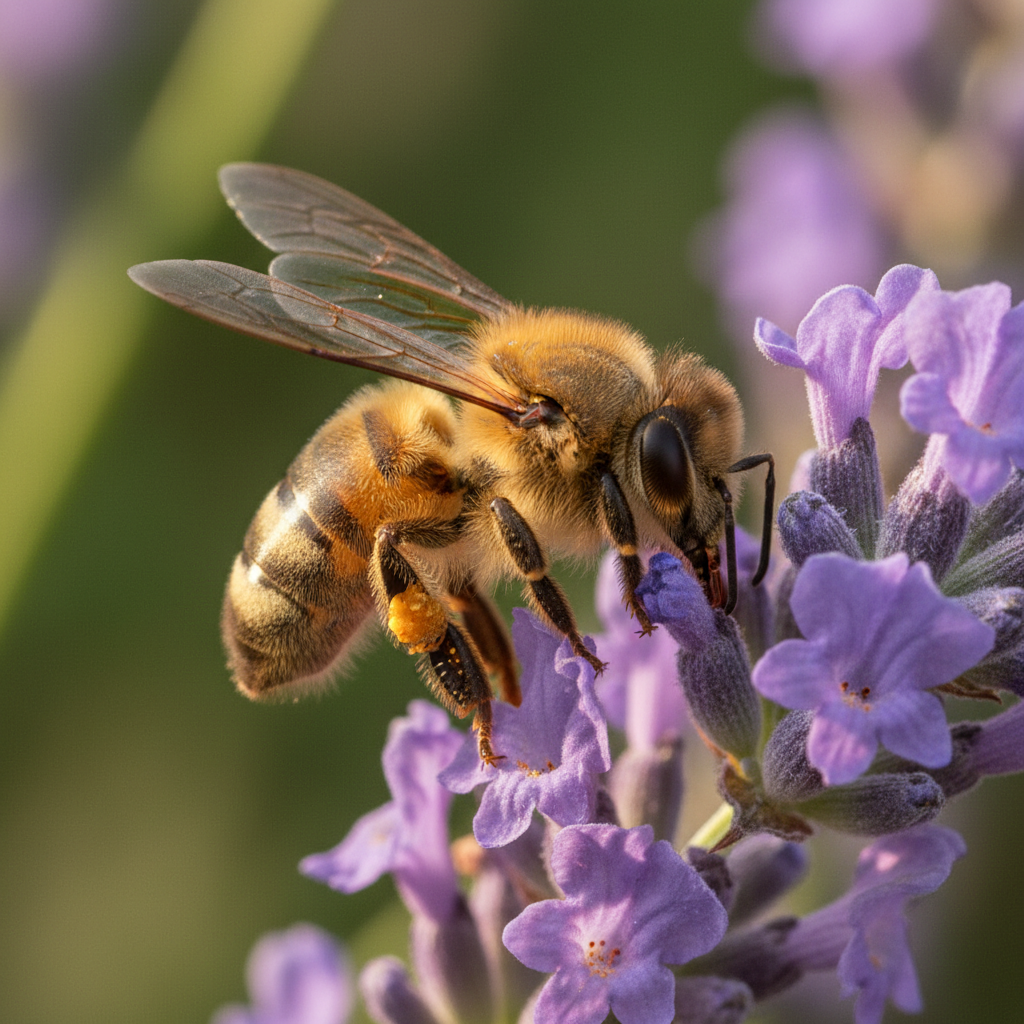
Honeybees (Apis mellifera) are essential pollinators and a protected species. A single colony can contain up to 50,000 bees and plays a vital role in pollinating crops and wildflowers across the Midlands.
When a swarm or established colony takes up residence in a chimney, wall cavity, or loft, it can cause concern — but destruction is never the right answer. We work to safely lift and rehome the entire colony to a managed apiary where it can thrive.
Our native bumblebees are in decline and every pollinator matters. Responsible bee removal is about protecting both people and pollinators.

Structural Access
Many colonies nest deep within walls, chimneys, and roof spaces. Our general builder — who has also kept bees for years — assists with safe, sympathetic access to the colony, carefully opening and reinstating building fabric to retrieve the bees intact.
Colony Retrieval
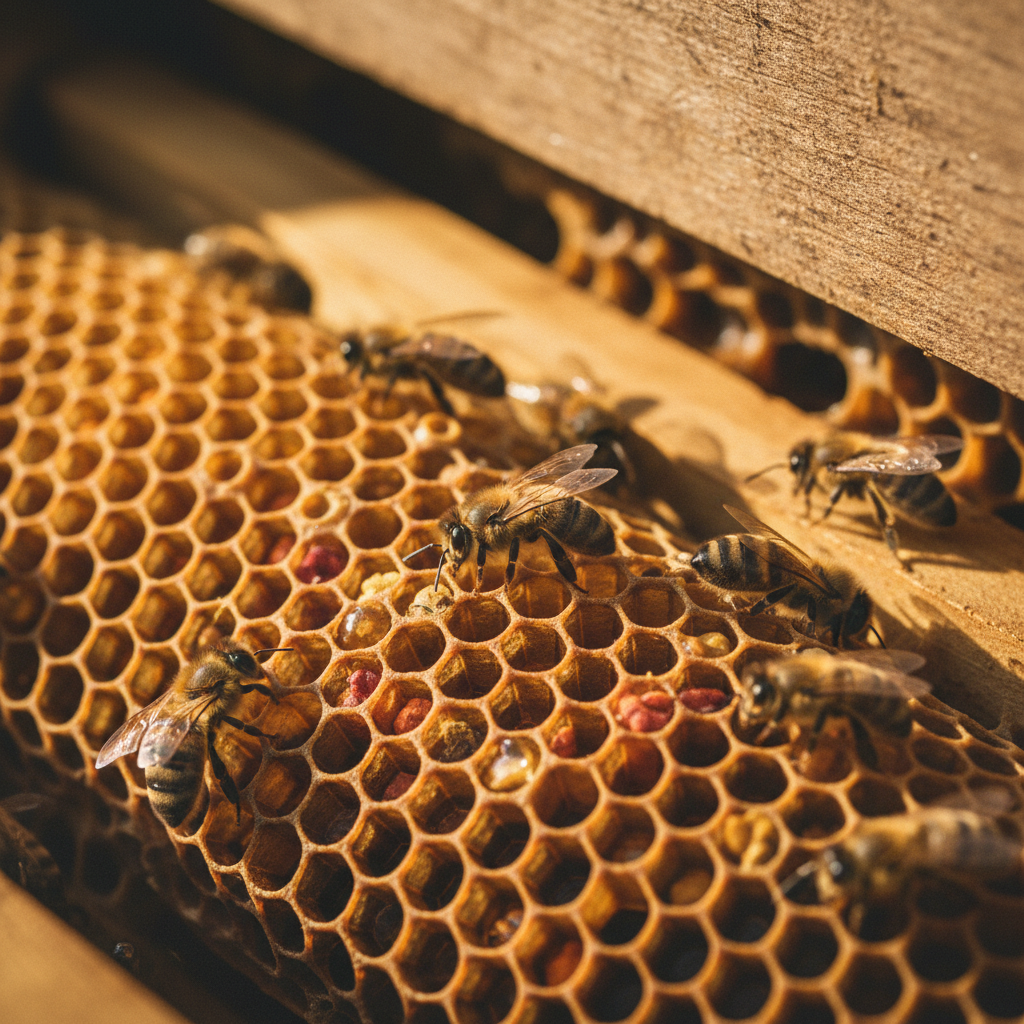
Once exposed, the colony is gently lifted into a temporary hive. The queen is located and secured first; the rest of the colony follows. Comb and brood are transferred with minimal disruption.
Rehoming
The colony is transported to a managed apiary and introduced to a new hive, where it is monitored and allowed to establish before release.
Our Approach
A Builder Who Keeps Bees
Removing an established colony from a building is rarely straightforward. It often requires opening up walls, roof linings, or chimney stacks to reach the comb and brood — work that demands both building expertise and beekeeping knowledge.
We work alongside a general builder who has also kept bees for many years. He assists us with structural access and colony retrieval, ensuring the building is carefully opened, the bees are recovered intact, and the fabric is reinstated to a high standard.
Registered Members
National Bee Unit BeeBase
We are registered members of the National Bee Unit (NBU) — the Animal and Plant Health Agency's (APHA) bee health programme. BeeBase, the NBU's website, supports Defra, the Welsh Government, and Scotland's Bee Health Programmes, and underpins the Healthy Bees Plan 2030.
The NBU's role is to control pests and diseases of honey bees through a statutory disease inspection programme, apiary surveillance for exotic pests, and education. European foulbrood and American foulbrood are statutory notifiable diseases in the UK — and as registered beekeepers, we follow all reporting and biosecurity requirements.
Registration with BeeBase is free for all beekeepers in England, Scotland, and Wales, and provides alerts about disease and pest outbreaks in your area. We are proud to be part of this national effort to protect Britain's honey bees.
Visit BeeBaseGot a Bee Colony?
Don't reach for the spray. Call us first — we'll assess the situation and arrange safe removal and rehoming wherever possible.